Membership staff answer questions every day. A member may call about their account. Staff may need to verify membership information, review payment activity, check an employer relationship, or understand the current status of a record before taking the next step. In these situations, speed matters. However, speed without accurate information can create additional problems. When information is spread across spreadsheets, separate systems, reports, or individual departments, staff may need to search several places before they can provide an answer.
Real-time membership data gives authorized staff access to current information when they need it, helping them respond faster and work with greater confidence. The practical value is simple: less time searching for information and more time helping members and completing the work in front of them.
Why Real-Time Membership Data Matters
Membership information changes continuously. Contact details are updated. Membership status changes. Payments are recorded. Employer relationships may change. Documents are added. Other operational activity can affect the information staff use throughout the day. Therefore, yesterday’s report may not always represent today’s situation. When staff rely heavily on static exports or manually updated spreadsheets, there can be a gap between what has happened and what employees can see. With real-time membership data, staff can work from more current information within the system instead of waiting for another report or manual update. That difference can be important when a member needs an answer now.
Faster Responses Start With Better Data Access
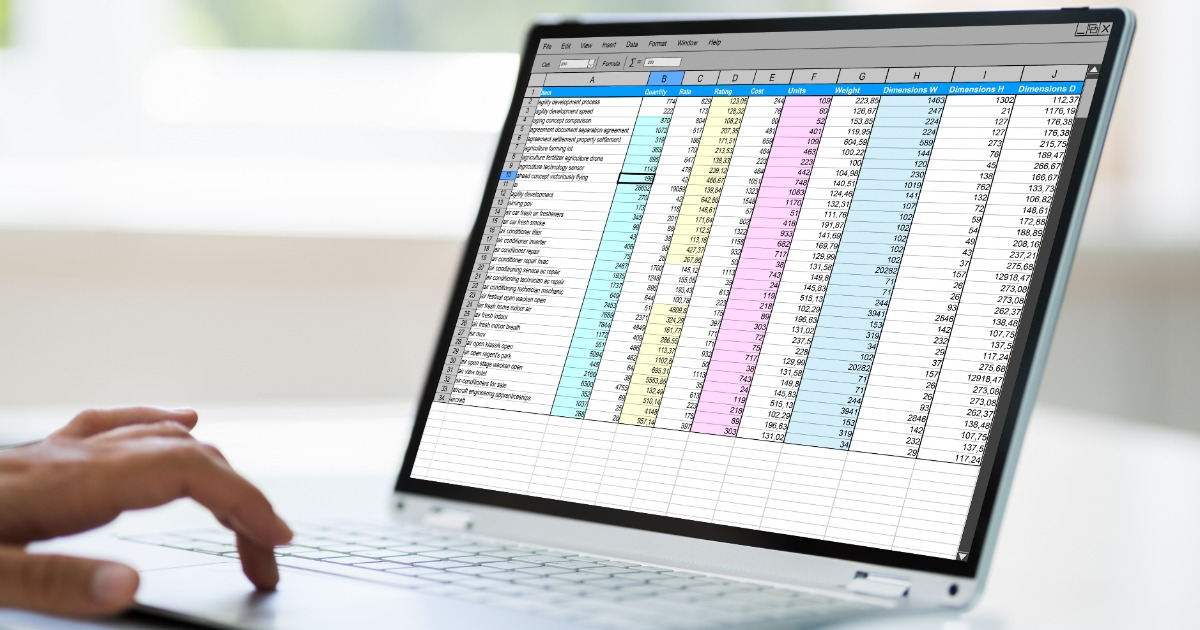
Consider a common situation. A member contacts the organization with a question. Before responding, the staff member needs to verify several pieces of information. If those details are stored in different places, the process might look like this:
Member question → Search member system → Check spreadsheet → Ask accounting → Review email → Respond
Even if every step takes only a few minutes, the member may still need to wait.
Now consider a more connected approach: Member question → Review current record → Respond
This is where membership data access becomes an operational issue rather than simply a technology feature. The easier it is for authorized employees to reach relevant information, the faster they can complete everyday tasks.
Give Staff a Current View of Member Records
Member records provide context for many operational questions. Depending on the organization’s processes, authorized staff may need to see information such as:
- Membership status
- Contact information
- Employer relationships
- Relevant membership details
- Payment or dues information
- Documents
- Notes or activity
- Other organization-specific records
When these details are maintained in a connected membership environment, staff gain a clearer picture of the member. More importantly, they do not need to reconstruct that picture from multiple disconnected sources. Consequently, real-time union membership data can help staff move from question to answer more efficiently.
Real-Time Financial Data Adds Important Context
Membership questions are often connected to financial activity. For example, staff may need to understand whether a payment has been recorded or review relevant financial information associated with a membership record. If the membership team cannot see current information, they may need to contact accounting or wait for another system to be updated. That creates another handoff. Access to appropriate real-time financial data can reduce some of these delays by giving authorized staff better visibility into relevant financial activity. However, this does not mean every employee should have access to every financial record. The goal is to make appropriate information available to the appropriate staff based on their responsibilities.
Reduce Dependence on Static Reports
Reports are useful for analysis, oversight, and periodic review. However, they are not always the best tool for answering immediate operational questions. A report generated yesterday provides a snapshot from yesterday. If activity occurred afterward, employees may need to check another source before responding. Therefore, organizations should distinguish between two needs:
Reporting: What happened during a particular period?
Real-time access: What does the record show now?
Both are valuable, but they serve different purposes. Effective membership management software should help organizations support everyday access to current records while also providing useful reporting for broader analysis.
Reduce the Need to Ask Another Department
One of the hidden costs of disconnected data is internal dependency. A staff member needs information but cannot access it. Therefore, they message another department. That employee stops their own work, finds the information, and sends it back. One member question has now interrupted two employees. When this happens repeatedly, the impact grows. Providing authorized staff with appropriate access to current information can reduce these unnecessary handoffs. As a result, employees can resolve more questions independently while other teams spend less time responding to internal information requests.
Help Staff Resolve Member Questions During the First Interaction
From the member’s perspective, internal systems do not matter. The member simply wants an answer. If staff can access relevant information during the initial interaction, they may be able to resolve more questions without requiring additional follow-up. That creates a better operational experience for both sides. Members spend less time waiting. Meanwhile, staff reduce the number of open questions they need to revisit later. Therefore, better membership data access can improve efficiency without requiring staff to work faster. The system simply removes some of the waiting and searching from the process.
Real-Time Data Reduces Manual Verification
When staff are uncertain whether information is current, they often verify it elsewhere. They check another spreadsheet. They ask another employee. They search an email. They compare two records. Each verification step adds time. Furthermore, when multiple copies of the same information exist, employees may discover differences and need to determine which version is correct. A connected system with current information can reduce this uncertainty. Instead of repeatedly verifying whether a record reflects the latest available information, authorized staff can work from a more consistent operational source.
Connect Member and Financial Information
Member information becomes more useful when staff can understand relevant relationships between records. For example, financial activity may need to be viewed in the context of a particular member or account. Without that connection, employees may have the data but still need additional work to understand it. This is why connected membership data matters. Rather than treating membership and financial information as completely independent datasets, appropriate connections can give staff better context. That context helps employees answer questions faster and can reduce the need for manual reconciliation.
Real-Time Access Does Not Mean Unlimited Access
Faster information access should never mean that every employee can see everything. Different roles have different responsibilities. Therefore, organizations need to combine timely information with appropriate role-based access control. A staff member responsible for one operational area may require a particular set of information. Another employee may need different records or functionality.
The principle remains: Current information should be available to the people who need it, while unnecessary access remains restricted. This allows organizations to improve responsiveness without abandoning security and control.
Accurate Data Still Comes First
Real-time access does not automatically make information accurate. If a record contains incorrect information, making that record available faster does not solve the underlying problem. Therefore, organizations still need good membership data management practices. Information should be maintained consistently. Duplicate records should be addressed. Staff should understand where particular information is managed and how updates should be handled. Real-time access and data quality work together. Current, reliable information is significantly more useful than either current information that is inaccurate or accurate information that employees cannot reach when they need it.
Integrations Can Improve Information Flow
Membership organizations often use more than one business system. Accounting platforms, payment tools, and other workflow applications may all contain information relevant to membership operations. If those systems are disconnected, staff may still need to move information manually. This is where membership management software integrations become important. Appropriate integrations can help relevant information move between systems, reducing delays caused by exports, imports, and repeated data entry. Consequently, integrations can support more timely information while allowing specialized systems to continue serving their specific purposes.
Real-Time Data Helps Staff Prioritize Work
Current information is valuable not only when a member calls. It can also help staff understand what requires attention. For example, employees may need to identify records that have changed, financial activity requiring review, or other operational items that need follow-up. When information is current, staff can make decisions based on what is happening now rather than what appeared in the last exported report. This can make everyday workload management more effective. Instead of spending the beginning of a task determining whether the data is current, employees can focus on the action the information requires.
Better Access Supports Better Reporting
Real-time data and reporting should complement each other. Staff need current records for everyday operations. Meanwhile, reporting helps organizations understand activity across larger periods and groups of records. When both rely on structured information, organizations gain two useful perspectives:
- Operational view: What is happening now?
- Reporting view: What happened over time?
Together, these perspectives provide a stronger foundation for staff and leadership. This is also why good financial reporting software for membership organizations should work from reliable, well-organized information.
How PRIZM Supports Timely Access to Membership Information
PRIZM is designed to bring important union membership information and operational processes into a connected environment. With PRIZM membership software, authorized staff can work with relevant member and operational information without depending entirely on disconnected spreadsheets, static exports, or information maintained by individual employees. By connecting important membership records and related operational data, PRIZM helps create a clearer view of the information staff use throughout the day. Combined with appropriate permissions and integrations, this can reduce unnecessary searching and internal handoffs.
The practical objective is straightforward: Give authorized staff the information they need when they need it so they can respond and act more efficiently.
Faster Responses Begin With Better Access
Staff should not have to spend more time finding information than using it. When current member and financial information is difficult to access, simple questions can turn into multi-step workflows involving spreadsheets, emails, exports, and other departments. Better real-time membership data access changes that process. Staff can work from current information, understand records in context, reduce unnecessary verification, and respond to members more efficiently. At the same time, role-based permissions and good data-management practices help ensure that faster access remains controlled and useful. For organizations looking to reduce the time between a member question and a useful answer, explore PRIZM features and see how connected data can support faster everyday membership operations.